
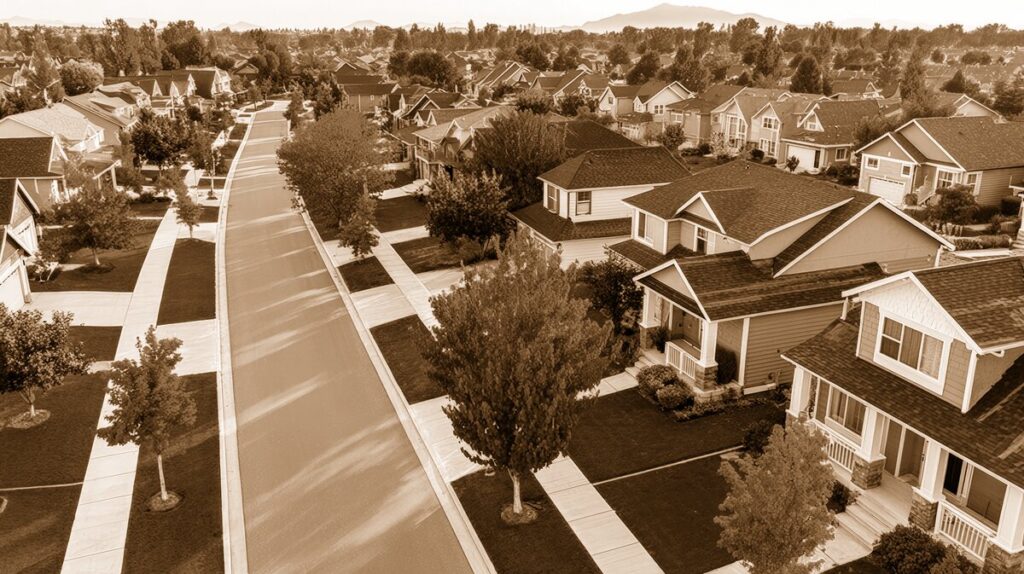
Welcome to Lakewood — a neighborhood in Bellefontaine, Ohio where community ties run deep, local stories are told at every street corner, and the echoes of history shape the friendly vibe that’s felt today. Whether you’re new in town or a lifelong resident, stepping into Lakewood feels a bit like coming home. Let’s take a journey through the decades and rediscover what makes this corner of Bellefontaine so unique.
The Origins of Lakewood
Lakewood’s story begins in the early 20th century, when Bellefontaine was steadily expanding beyond the bustle of its downtown. Much of the area that now forms Lakewood was rolling farmland, characterized by groves of maple and oak trees, small lakes, and a tranquil landscape just west of Main Street. As the city’s population grew, there was a clear need for residential expansion, and developers saw promise in the wooded parcels that skirted the city’s edge.
The name “Lakewood” itself is a product of this geography. The neighborhood sprang up around natural woodland bordering several small lakes — including the now-beloved Fox Lake — which gave the area a serene, almost retreat-like character. These natural features not only offered a scenic backdrop for the new homes but also inspired the name that residents have embraced ever since.
Key Historical Milestones
Lakewood’s true development began in the 1920s and 1930s, as Bellefontaine’s prosperity attracted families seeking a peaceful enclave just outside the core city streets. Winding roads like Lakewood Drive, Parkside Avenue, and Woodland Circle became thoroughfares for a growing community of teachers, rail workers, and small business owners.
- The establishment of Lakewood Elementary School in the early 1950s was a pivotal moment, cementing the neighborhood’s reputation as a family-friendly destination. The school quickly became a hub for both education and social activity, echoing with the laughter and footsteps of generations of Lakewood children.
- Through the 1960s and 70s, Lakewood saw the addition of well-kept parks, such as Lakewood Park — beloved for its playgrounds and shady picnic spots. Community events like summer picnics, Easter egg hunts, and local softball games brought the neighborhood together in ways that are fondly remembered today.
Lakewood’s sense of unity was further strengthened during the 1980s, as residents banded together to preserve the mature trees and lakes that defined the area. Civic groups and neighborhood associations formed to ensure that development continued thoughtfully, honoring Lakewood’s natural beauty while welcoming newcomers.
Notable Landmarks and Buildings
Lakewood is dotted with local landmarks that tell stories of its enduring legacy:
- Lakewood Elementary School: More than just a place of learning, the school has functioned as a true neighborhood center for decades, hosting talent shows, craft fairs, and town meetings. Its red-brick façade is a familiar sight to anyone who’s grown up in Lakewood.
- Fox Lake: At the heart of the neighborhood, Fox Lake remains a favorite spot for fishing, birdwatching, or simply catching a sunset. Locals will often recall the winter days when the lake would freeze over, drawing families out for impromptu ice skating parties.
- Lakewood Park: With its winding paths, gazebo, and veteran’s memorial bench, Lakewood Park is where the neighborhood’s heart beats strongest. Generations have gathered here for family reunions and impromptu soccer matches.
- Historic Bungalows and Capes: Many of Lakewood’s homes date back to the 1940s and 50s, with distinctive Craftsman details, broad front porches, and well-tended gardens. Some still feature original leaded-glass windows or carriage-style garages — hallmarks of the era and reminders of the neighborhood’s heritage.
Evolution Over the Decades
While Lakewood has always been defined by its quiet streets and close-knit atmosphere, the neighborhood has embraced change while remaining true to its roots.
- In the 1990s and early 2000s, many homes were lovingly updated, blending modern comforts with Lakewood’s established architectural character. New families moved in, drawn by the welcoming spirit and strong sense of community stewardship that prevails.
- Community initiatives have grown to include an annual Lakewood Block Party, neighborhood watch programs, and beautification days when residents plant flowers along Lakewood Drive or repaint public benches.
- Institutions like the Friends of Lakewood help preserve local landmarks and share historical stories with newcomers, ensuring that everyone can feel a connection to the area’s past.
Lakewood’s proximity to Logan County’s green spaces, including the popular Myeerah Nature Preserve just a short drive away, has made it a haven for those who cherish outdoor activities. It’s common to see joggers winding through the neighborhood at sunrise, or families strolling down Parkside Avenue after supper, waving to neighbors across manicured lawns.
What Makes Lakewood Special Today
For all its history, Lakewood isn’t stuck in the past. Instead, it’s a thriving neighborhood where tradition and progress blend effortlessly. Residents celebrate birthdays and holidays with porch parties. It’s not unusual to find hand-painted signs welcoming new babies or celebrating a neighbor’s retirement along the tree-lined streets.
Young professionals, retirees, and growing families all find a place here. It’s the kind of neighborhood where folks still help shovel each other’s driveways in winter, yet you’ll also find backyard gardens bursting with fresh veggies and kids learning to ride their bikes under the big sycamores.
Most of all, Lakewood’s enduring charm lies in its commitment to connection — to neighbors, to local history, and to the winding lanes and lovely lakes that first inspired its name.
If you’re lucky enough to call Lakewood home, you know: this is more than just a place to live. It’s a story to be shared and a legacy to uphold for generations to come.